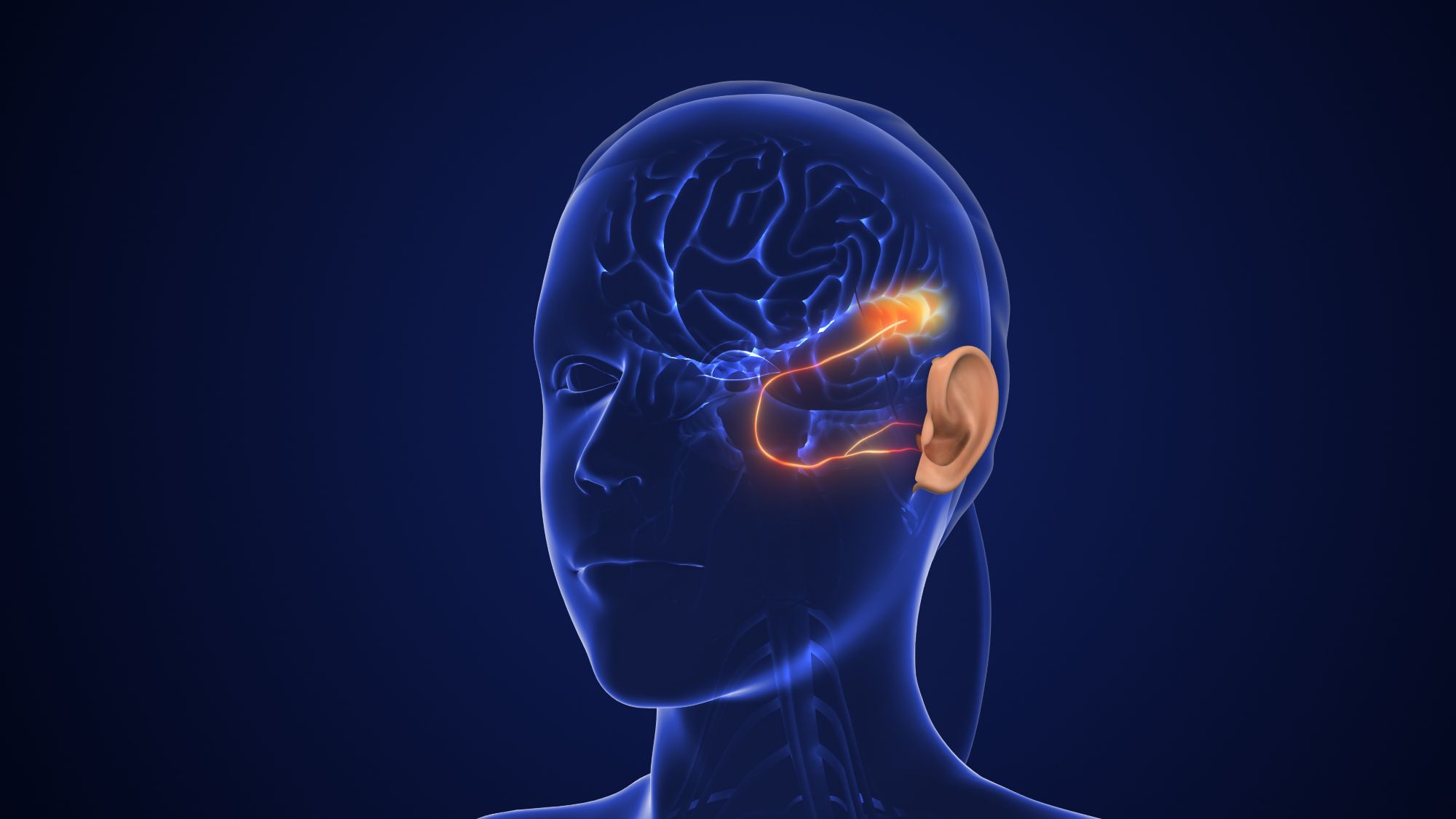
Hearing loss is widely recognized as the most potentially modifiable risk factor for dementia.
For decades, hearing loss was written off as a harmless nuisance of getting older. New research says otherwise. Is hearing loss a modifiable risk factor for dementia? According to a 2022 review in Expert Review of Neurotherapeutics by Brewster and colleagues, and a more recent (June 26, 2026) commentary from Cleveland Clinic neuropsychiatrist Dr. Dylan Wint, the answer looks increasingly like yes. It’s actually positive news, because it means we may be able to do something about it.
The Numbers Are Hard to Ignore
More than half of Americans over 60 have some degree of hearing loss, yet most go untreated due to cost, access, or stigma.
The risk climbs sharply with severity. In a 12-year study of older adults, mild hearing loss nearly doubled dementia risk while moderate hearing loss tripled it. Similarly, Dr. Wint puts similar figures at roughly 2x risk for mild hearing loss, 3x for moderate, and 5x for severe hearing loss. Averaged across studies, hearing loss is estimated to raise dementia risk by about 94%.
Why Would Hearing Loss Affect the Brain?
The review outlines two main biological pathways. First, the “auditory deprivation hypothesis”: when the ears send a weaker signal to the brain, the auditory cortex and connected regions, specifically areas tied to memory and executive function can begin to atrophy from disuse. Second, the “effortful listening hypothesis”: straining to understand speech forces the brain’s cognitive control network to work overtime, siphoning resources away from memory and thinking.
Researchers point to a few overlapping mechanisms:
Brain atrophy. When the ears send a weaker signal, the auditory cortex which is the brain region that processes sound, receives less stimulation and can begin to shrink. “The auditory cortex actually starts to thin out in people with hearing loss,” Dr. Wint explains. That atrophy can ripple into nearby memory-related areas tightly connected to auditory centers.
Mental strain. Straining to catch words forces the brain’s cognitive control network to work overtime, leaving fewer resources for memory, comprehension, and recall. “You’re robbing the brain of resources it needs for comprehending information,” says Dr. Wint. “It creates a vicious cycle where the brain becomes less efficient and less precise.”
Social isolation. Many people with hearing loss withdraw from conversations because keeping up becomes exhausting. That withdrawal fuels loneliness and social isolation, which are themselves independent risk factors for dementia, associated with roughly a 50% higher risk of cognitive decline. Loneliness alone has been linked to more than double the risk of Alzheimer’s disease.
Long-term sensory deprivation. The earlier hearing loss strikes, the higher the eventual dementia risk appears to be likely because the brain spends more cumulative years without full auditory input. People who lose hearing in their 40s or 50s show increasingly strong evidence of elevated risk later in life.
Researchers frame this less as hearing loss directly causing dementia and more as hearing loss depleting “cognitive reserve.” The brain’s buffer against age-related pathology which can make it more vulnerable if other disease processes take hold.
Can Treating Hearing Loss Help Protect Your Brain?
This is where the outlook brightens. Observational studies link hearing aid use to better memory, executive function, and global cognition, and brain imaging shows that some of the neural reorganization caused by hearing loss actually reverses within six months to a year of consistent hearing aid use.
The strongest evidence comes from the NIH-funded ACHIEVE trial, which followed nearly 1,000 older adults with hearing loss for three years. Participants who used hearing aids cut their risk of cognitive decline by roughly half compared with those who didn’t. “Treatment of hearing loss actually does protect people from cognitive decline and dementia,” Dr. Wint says.
How to Protect Your Hearing — and Your Brain
A few practical steps can lower your risk:
- Protect your ears from loud noise. Wear earplugs at concerts, sporting events, and other noisy settings.
- Don’t ignore hearing loss. Many people wait years before seeking treatment. Early intervention matters. See an Audiologist (the professionals licensed to evaluate and treat hearing loss)
- Wear hearing aids. They only help if you have them and wear them consistently. The keys to being successful with hearing aids is having hearing aids that are comfortable and customized for your specific hearing loss.
The Takeaway
So, is hearing loss a modifiable risk factor for dementia? The evidence is compelling and growing stronger. Hearing loss is common, often untreated, and clearly tied to worse brain health outcomes, but unlike many dementia risk factors, it’s one you can actually address. With hearing aids now more affordable and accessible than ever, treating hearing loss early may be one of the simplest, most actionable steps toward protecting your cognitive future.
Sources:
Brewster KK, Deal JA, Lin FR, Rutherford BR. “Considering hearing loss as a modifiable risk factor for dementia.” Expert Rev Neurother. 2022;22(9):805-813. nih.gov
Cleveland Clinic, “Is There a Connection Between Hearing Loss and Dementia?” health.clevelandclinic.org.